SIM cards, taxis and money
The three things that cost you most in the first hour
Almost everything expensive about a Phuket trip happens in the first hour after landing: the airport taxi, the SIM card, and the first currency exchange.
Get these three right and the rest of the island is cheap.
Taxis: use an app
Phuket's fixed-price taxi counters cost far more than a metered or app-booked ride. Drivers frequently refuse to run the meter, which is why almost every local uses an app instead.
Grab and Bolt both work across the island. Bolt is typically 5 to 30 percent cheaper than Grab for the same route and usually has no booking fee. Install both before you land — you will want the airport wifi for the sign-up SMS.
Agree the price on the app, not at the window. The app price is the price.
SIM cards and eSIM
You can buy a tourist SIM at the airport, but the same packages are sold at every 7-Eleven on the island, usually for less. If your phone supports eSIM, buying one before you fly is the least painful option — you land already connected.
Data is what matters. You will use maps and ride apps constantly, and almost nothing else.
Money
Cash still runs a lot of Phuket. 13 of the 19 Michelin Bib Gourmand restaurants on this island are cash only, and so are most village stalls, markets and small massage shops.
Airport exchange counters give the worst rates on the island. Change a small amount to get moving, then use a town exchange booth or an ATM.
Thai ATMs charge a fixed fee per withdrawal on top of your own bank's fee, so fewer, larger withdrawals cost less than several small ones.
One more thing
Book activities before you arrive if they matter to you. The good boat trips fill in high season, and the beach touts selling the same trip on the sand are rarely cheaper.
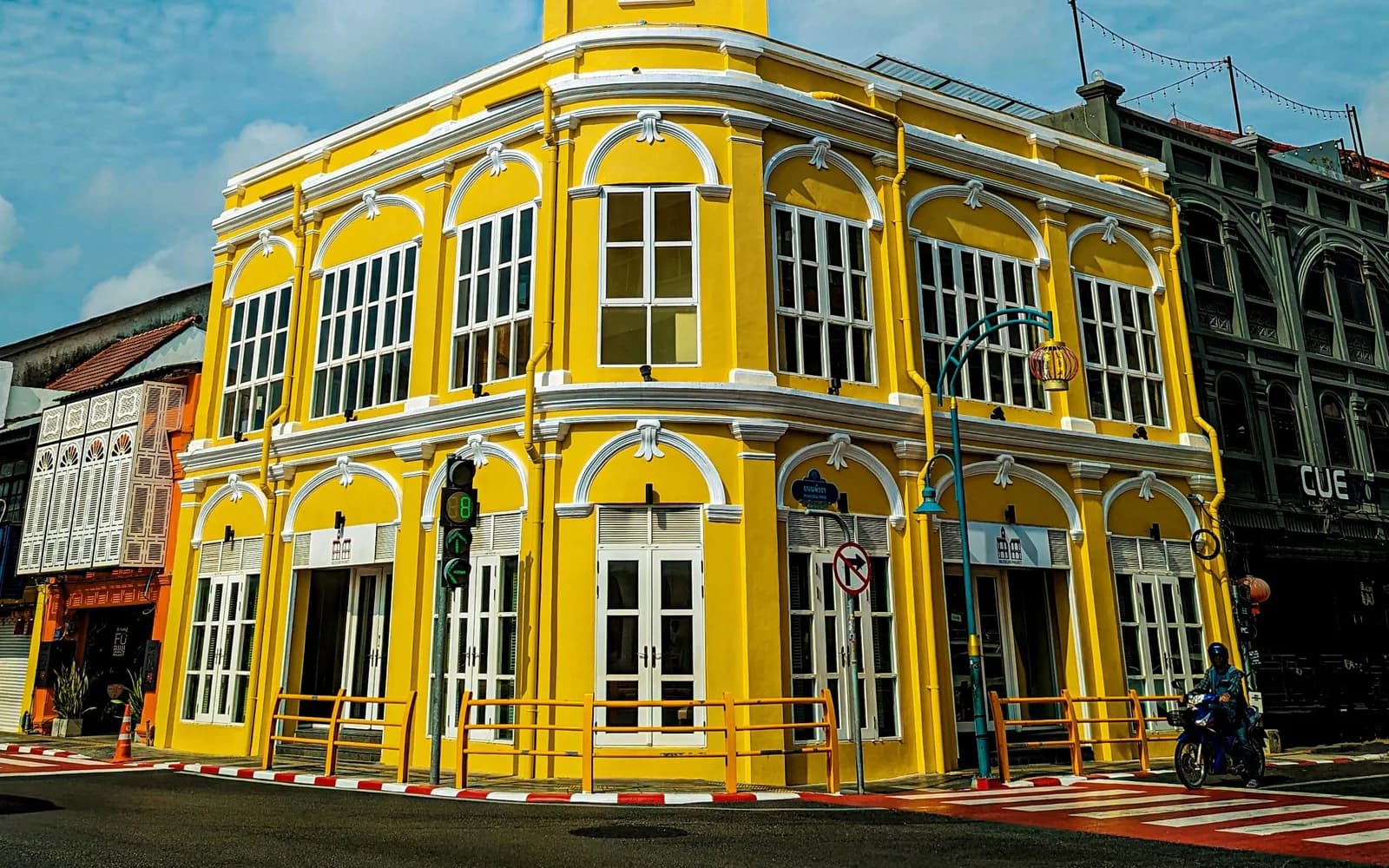
Photography is licensed stock, credited to Pranshi Y on Pexels. Some images show the named place; where no photograph of a venue exists, the picture shows Thailand rather than that venue.